Introduction to Sewage Water Treatment Plants in Kashipur
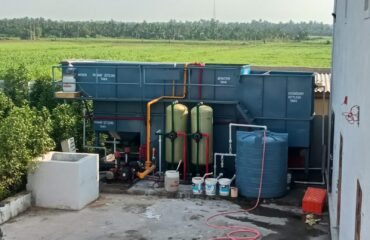
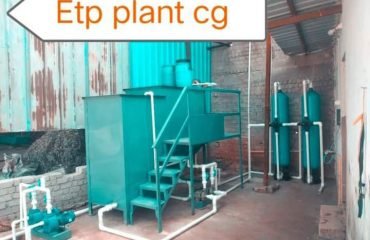
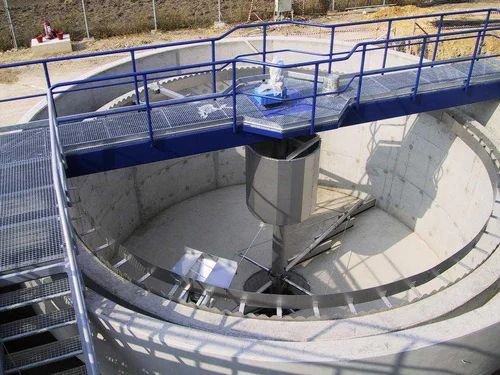
Sewage Water Treatment Plants (STPs) have become essential for sustainable urban management and environmental conservation, especially in rapidly growing towns like Kashipur. These plants treat wastewater so it can be safely released or reused, thus protecting water bodies and public health.
Why Choose Water Treatment Plant Manufacturers in Kashipur?
Kashipur stands out with reputed water treatment plant manufacturers who provide state-of-the-art STP solutions customized for local needs. Choosing a local manufacturer ensures faster service, better understanding of regional water quality challenges, and support for the local economy.
Understanding Sewage Treatment Plant (STP) Basics
- What is an STP? It is a facility that removes contaminants from sewage to produce treated effluent safe for discharge or reuse.
- Purpose: Prevent pollution, protect environment, conserve water resources.
- Process: Includes physical, biological, and chemical treatments.
Top Features of STP Plants from Manufacturers in Kashipur
- Advanced technology adapted to the local sewage characteristics.
- Energy-efficient operations reducing running costs.
- Compact design suitable for urban and industrial spaces.
- Automation for ease of control and maintenance.
- Compliance with national environmental standards.
Leading STP Plant Manufacturers in India and Kashipur
India hosts some of the top STP plant manufacturers offering innovative solutions nationwide, including top companies serving Kashipur. These manufacturers specialize in producing tailored sewage treatment plants for residential, commercial, and industrial sectors.
How to Choose the Right Manufacturer?
- Check experience and reputation in the sewage treatment industry.
- Evaluate technology used and after-sales service.
- Look for certifications and compliance with environmental norms.
- Compare pricing, warranty, and system maintenance packages.
Sewage Treatment Plant Benefits
- Protects aquatic ecosystems by reducing pollutants.
- Facilitates water recycling and reuse.
- Improves sanitation and public health standards.
- Reduces dependency on freshwater for irrigation and industrial use.
Challenges and Solutions in Sewage Water Treatment
Wastewater characteristics vary, and challenges such as high pollutant loads or fluctuating volumes need customized approaches. Leading manufacturers in Kashipur provide flexible and scalable STP solutions to overcome these issues efficiently.
Maintenance Tips for Efficient STP Operation
- Regular monitoring of inflow and outflow quality.
- Timely cleaning of filters and membranes.
- Routine inspection of mechanical and electrical components.
- Training operators on process control and emergency management.
- Scheduling professional servicing from manufacturers.
The Future of Sewage Treatment in Kashipur
With growing awareness and stricter regulations, the demand for reliable and efficient sewage treatment plants in Kashipur will rise. Manufacturers are investing in innovative technologies like IoT-based monitoring, aerobic and anaerobic digestion improvements, and resource recovery methods.
FAQs
- Q1: How does an STP plant manufacturer customize solutions?
A: They assess local wastewater characteristics, space availability, and end-use requirements to design bespoke treatment plants. - Q2: What is the typical lifespan of a well-maintained STP?
A: Generally, 15-20 years, depending on technology and maintenance quality. - Q3: Are STP plants energy-intensive?
A: Modern plants use energy-efficient technologies to minimize power consumption. - Q4: Can treated water from STP be reused?
A: Yes, it can be reused for irrigation, flushing, and industrial processes. - Q5: How frequently should an STP be serviced?
A: Maintenance should ideally be conducted every 3-6 months.