Introduction to Sewage Water Treatment Plants
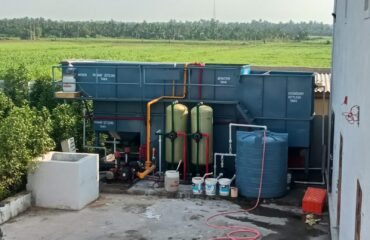
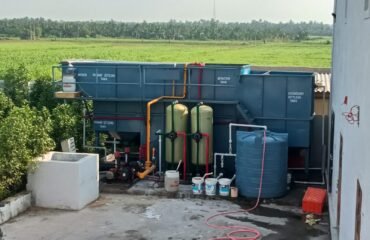
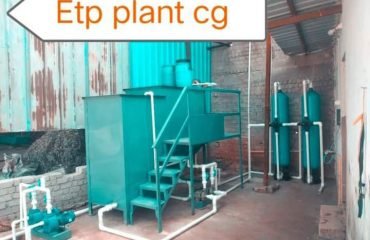
Sewage water treatment plants (STPs) play a crucial role in maintaining environmental health by treating wastewater effectively before it is released back into the ecosystem. With growing urbanization, the demand for efficient water treatment solutions is rising. In Guna, several reputed Water Treatment Plant manufacturers have emerged, providing cutting-edge technology in sewage water treatment.
Importance of Water Treatment Plants in Guna
Guna, a city known for its industrial and residential growth, faces challenges related to wastewater management. Implementing robust sewage treatment plants helps in:
- Reducing water pollution in rivers and lakes.
- Ensuring safe reuse of treated water for irrigation and industrial processes.
- Protecting public health by eliminating contaminants.
- Meeting regulatory compliance concerning wastewater disposal.
Types of Sewage Treatment Plants Available
STP manufacturers in Guna offer various types of plants tailored to different needs:
- Activated Sludge Process Plants: Best for municipal and large commercial setups.
- Sequencing Batch Reactors (SBR): Suitable for areas with fluctuating inflow.
- Membrane Bioreactors (MBR): Provide superior quality effluent for reuse.
- Package STP Plants: Compact and pre-engineered units ideal for smaller communities.
Finding Reliable STP Plant Manufacturers in Guna
When selecting an STP plant manufacturer in India, specifically in Guna, consider the following key factors:
- Experience and Expertise: Choose manufacturers with proven success in sewage treatment projects.
- Technology and Innovation: Look for cutting-edge treatment technologies to ensure efficient and sustainable operation.
- Customer Support and Maintenance: Support services are crucial for the long-term performance of the plant.
- Compliance and Certifications: Ensure the manufacturer adheres to environmental and quality standards.
Top 10 STP Manufacturers in India – Presence in Guna
Some of the leading STP plant manufacturers have a presence or distribution network in Guna to serve local industries and municipal bodies. These include companies with excellent track records in design, installation, and maintenance of sewage treatment plants.
Benefits of Choosing Local STP Manufacturers Near Me
- Quick response time for installation and service.
- Cost-effective solutions without compromising quality.
- Customized plant design based on local water quality and quantity.
- Close monitoring and quicker troubleshooting support.
How Sewage Treatment Plants Work
Understanding the functioning of the sewage treatment process can help in appreciating the role of manufacturers:
- Pre-treatment: Removal of large debris and grit.
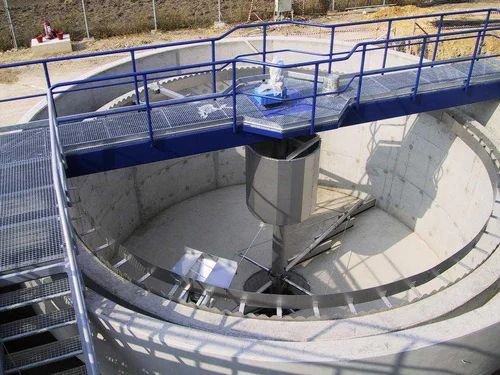
- Primary Treatment: Sedimentation of suspended solids.
- Secondary Treatment: Biological degradation of organic matter using bacteria.
- Tertiary Treatment: Advanced filtration and disinfection to remove harmful pathogens and pollutants.
- Discharge or Reuse: Treated water is either discharged safely or reused.
Challenges in Sewage Water Treatment in Guna and Solutions
Manufacturers in Guna are adept at addressing local challenges such as:
- Variable influent quality due to industrial effluents.
- Space constraints in urban areas requiring compact STP designs.
- Energy-efficient operations to reduce costs.
- Compliance with stringent government norms.
Future Trends in STP Manufacturing
Leading STP manufacturers are integrating smart technologies such as IoT-enabled monitoring, automated control systems, and AI-based predictive maintenance to enhance plant efficiency and reliability.
Conclusion
For sustainable urban development in Guna, investing in high-quality sewage water treatment plants from trusted manufacturers is essential. The right STP ensures environmental safety, water reuse, and regulatory compliance, contributing to a healthier city.
FAQs
- Q1: What is the average cost of a sewage treatment plant in Guna?
A1: The cost varies based on plant capacity, technology, and customization but local manufacturers provide competitive pricing with options to suit different budgets. - Q2: How long does it take to install an STP?
A2: Installation timelines depend on plant size and complexity but typically range from a few weeks to a few months. - Q3: Can treated water from STPs be reused?
A3: Yes, treated water can be reused for irrigation, industrial processes, and sometimes for groundwater recharge. - Q4: Are STP plants energy efficient?
A4: Modern STPs incorporate energy-saving technologies, and manufacturers focus on reducing operational costs. - Q5: How to choose the right STP manufacturer in Guna?
A5: Evaluate their experience, technology, customer service, and compliance with environmental standards.