Introduction to Sewage Water Treatment Plants in Barbil
Water treatment is a crucial process in maintaining environmental sustainability and public health. Barbil, a prominent industrial hub, has seen a surge in demand for efficient sewage water treatment solutions. This blog explores the leading Water Treatment Plant manufacturers in Barbil, focusing on the best practices, technologies, and trusted innovators in sewage treatment.
Why Choose a Water Treatment Plant in Barbil?
Barbil’s rapid industrial growth brings with it challenges related to wastewater management. Efficient sewage treatment plants (STP) ensure compliance with environmental regulations, protect natural water bodies, and reduce health hazards.
- Reduction of pollutants before discharge
- Recycle treated water for industrial or municipal use
- Cost-effective and eco-friendly waste management
- Enhancement in quality of life and ecosystem protection
Understanding STP: Sewage Treatment Plant Overview
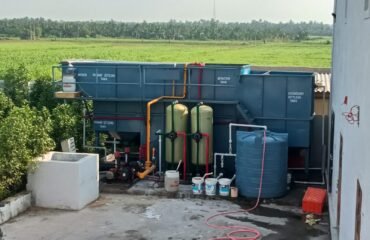
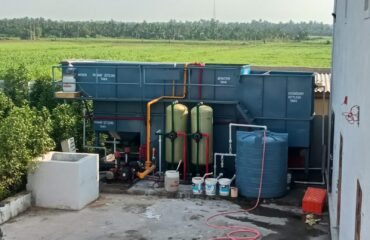
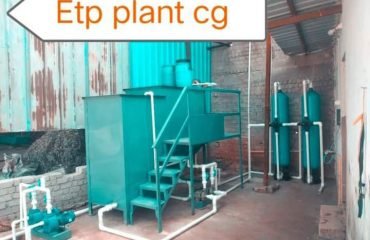
STP Plant manufacturers design and install systems that treat sewage from residential, commercial, and industrial sources. The treatment involves physical, chemical, and biological processes to make the water safe for release or reuse.
Key Components of an STP Plant
- Preliminary Treatment: Screening and grit removal
- Primary Treatment: Sedimentation tanks to remove suspended solids
- Secondary Treatment: Biological treatment to degrade organic matter
- Tertiary Treatment: Advanced processes like filtration and disinfection
Top STP Plant Manufacturer in India and Barbil
India hosts many reputed STP manufacturers, and Barbil benefits from local and national expertise. Here are factors to consider when choosing:
- Experience and client portfolio
- Technology and innovation capability
- Compliance with environmental standards
- After-sales service and support
- Customization and scalability options
Local manufacturers in Barbil provide timely installation and support, while national top 10 STP manufacturers are renowned for cutting-edge technologies and extensive resources.
Choosing the Right STP Plant Manufacturers Near Me
Searching “STP Plant manufacturers near me” helps find accessible vendors offering swift responses and site-specific solutions. Factors to evaluate:
- Customer reviews and testimonials
- Site visit and demo plant availability
- Cost-effectiveness without compromising quality
- Warranty and maintenance terms
Benefits of Investing in a Sewage Treatment Plant
Installing an STP provides multiple benefits for industries, municipalities, and housing complexes:
- Conservation of freshwater resources by reusing treated water
- Lower pollution footprints in surrounding areas
- Compliance with statutory and environmental laws
- Improved public health and sanitation standards
Innovations and Trends in STP Plant Manufacturing
- Use of bio-electrochemical systems for enhanced organic matter removal
- Integration of IoT for remote monitoring and management
- Energy-efficient processes minimizing operational costs
- Modular and compact designs suited to limited spaces
How to Maintain Your Sewage Treatment Plant
Proper maintenance extends the life and efficiency of your STP.
- Routine inspection and cleaning of settling tanks and filters
- Monitoring biological activity and sludge levels
- Timely replacement of worn-out components
- Professional servicing as recommended by manufacturers
Conclusion: Securing a Sustainable Water Future in Barbil
Choosing the right Water Treatment Plant manufacturers in Barbil is key to tackling sewage challenges responsibly. By investing in quality STP installations, Barbil’s industries and communities contribute significantly to ecological balance and health safety.
FAQs About Sewage Water Treatment Plants in Barbil
- Q1: What is the typical lifespan of an STP?
- Q2: How much space does an STP require?
- Q3: Can treated water be reused?
- Q4: Are STP plants expensive to install?
- Q5: How to select the best STP manufacturer?
A: With proper maintenance, an STP can last 15-20 years or longer.
A: Space depends on capacity; modular plants are designed for compact installations.
A: Yes, treated water can be reused for industrial processes, irrigation, or flushing.
A: Installation costs vary, but efficient plants offer cost savings over time through water reuse and reduced pollution fees.
A: Look for experience, technology, credentials, and after-sales service.