Introduction to Sewage Water Treatment Plants in Bapatla
Sewage Water Treatment Plants (STPs) play a vital role in managing and treating wastewater efficiently, ensuring environmental safety and public health. Bapatla, a growing urban area, has seen increasing demand for Water Treatment Plant manufacturers in Bapatla who provide advanced, eco-friendly, and cost-effective solutions.
What is a Sewage Water Treatment Plant?
A Sewage Water Treatment Plant is a facility that treats wastewater generated from domestic, commercial, and industrial sources, removing harmful contaminants and making the water reusable or safe for discharge into the environment.
Why Choose the Best STP Plant Manufacturer?
- Ensures high-quality construction and components
- Offers customized solutions catering to different wastewater volumes and pollution levels
- Provides robust after-sales support and maintenance services
- Complies with local environmental regulations and standards
Top Features to Look for in Water Treatment Plant Manufacturers in Bapatla
- Experience in designing, manufacturing, and installing sewage treatment plants
- Use of latest technology and automation for efficient operation
- Availability of eco-friendly and sustainable treatment solutions
- Competitive pricing and warranty support
- Strong local presence for timely service and implementation
Leading STP Plant Manufacturers in India and Near Bapatla
India houses some of the best STP Plant manufacturers providing innovative and reliable sewage treatment solutions. For businesses and municipalities seeking “STP plant Manufacturers near me”, Bapatla’s proximity to these manufacturers ensures quality equipment and prompt service.
- Top 10 STP manufacturers in India offer wide-ranging expertise across various sectors.
- Many manufacturers specialize in specific types of sewage treatment plants such as aerobic, anaerobic, membrane bioreactors, and more.
- Local Bapatla-based manufacturers provide tailored solutions to meet city-specific wastewater challenges.
The Sewage Treatment Plant Process Explained
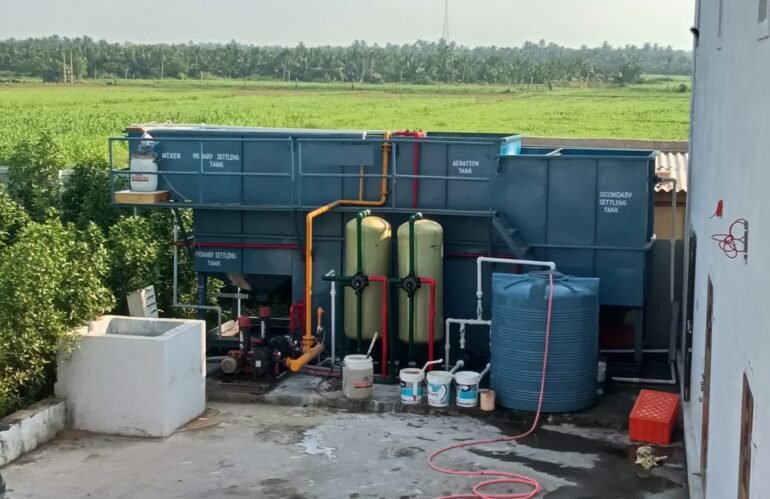
The sewage treatment process involves several stages designed to clean wastewater efficiently:
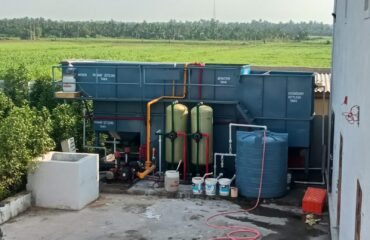
- Preliminary Treatment: Removal of large solids and grit using screens and sedimentation tanks.
- Primary Treatment: Settling of suspended solids in primary clarifiers.
- Secondary Treatment: Biological treatment using microorganisms to degrade organic matter.
- Tertiary Treatment: Advanced filtration and disinfection for further purification.
- Sludge Treatment: Processing and safe disposal or reuse of the sludge generated.
Benefits of Investing in Advanced Sewage Water Treatment Plants
- Significant reduction in environmental pollution and health hazards
- Conservation of water through recycling and reuse
- Compliance with governmental environmental policies and standards
- Cost savings via efficient wastewater management
- Enhancement of community reputation and sustainability image
Choosing an STP Plant Manufacturer in Bapatla: Key Considerations
When selecting a sewage treatment plant manufacturer in Bapatla, consider these factors:
- Manufacturer’s track record and project portfolio
- Technological innovation and adaptability
- Customer reviews and after-sale service provisions
- Cost-effectiveness and financing options
- Compliance with environmental regulations specific to Andhra Pradesh and India
Conclusion
For sustainable urban development in Bapatla, reliable and efficient sewage water treatment is indispensable. Partnering with reputed Water Treatment Plant manufacturers in Bapatla ensures access to state-of-the-art technology, eco-friendly operations, and comprehensive support, making these plants a wise investment for a cleaner, healthier future.
Frequently Asked Questions (FAQs)
- Q1: What types of sewage treatment plants are commonly used in Bapatla?
A1: Aerobic, anaerobic, and membrane bioreactor sewage treatment plants are commonly used, with choices depending on the volume and type of wastewater. - Q2: How long does the installation of an STP plant take?
A2: Installation time varies based on plant size and complexity but typically ranges from a few weeks to several months. - Q3: Are STP plants expensive to maintain?
A3: Maintenance costs vary, but choosing reputed manufacturers ensures cost-effective maintenance with efficient support services. - Q4: Do local environmental regulations affect STP plant design?
A4: Yes, manufacturers design plants in compliance with local laws to ensure safe discharge and environmental protection. - Q5: Can treated sewage water be reused?
A5: Yes, treated water can be reused for irrigation, industrial processes, and even groundwater recharge, depending on treatment level.