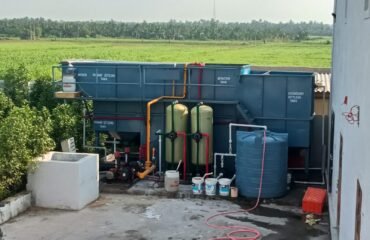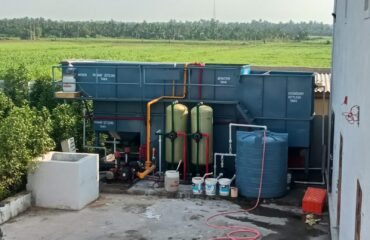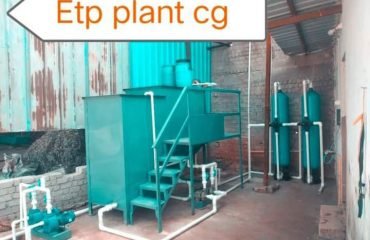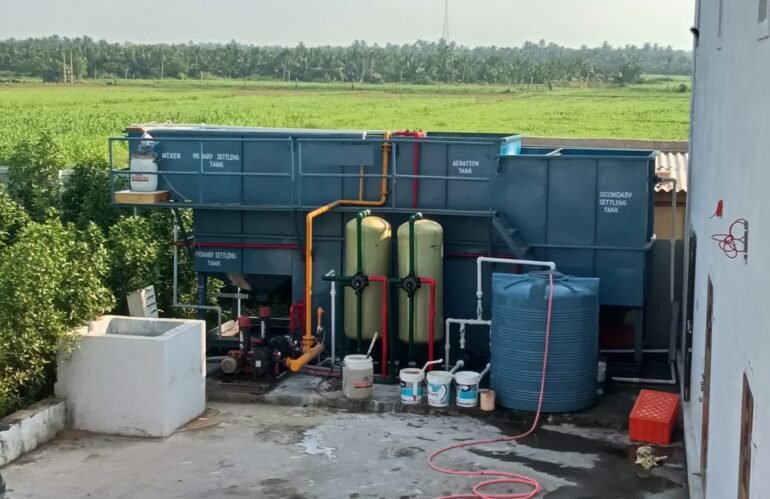
Introduction to Effluent Treatment Plant (ETP)
An Effluent Treatment Plant (ETP) is a critical facility designed to treat wastewater and industrial effluents before releasing them into the environment. With stringent environmental regulations and the increasing need for sustainable industrial practices, ETPs have become indispensable for industries operating in urban and industrial hubs like Delhi.
Why Effluent Treatment Plants Are Essential in Delhi?
Delhi, being a major industrial and metropolitan area, produces a significant amount of industrial wastewater. Untreated effluent discharge can lead to severe environmental problems including water pollution and health hazards. Effluent treatment plants ensure that harmful contaminants are removed, thus safeguarding local water bodies and public health.
Key Benefits of Installing ETPs
- Compliance with environmental regulations
- Reduction in pollution load
- Recycling and reuse of water
- Improved public health and hygiene
- Cost savings in waste management
Effluent Treatment Plant Manufacturers in Delhi
Delhi houses some of the most reputed ETP plant manufacturers known for delivering high-quality, customized solutions. These manufacturers use advanced technology to build ETPs that effectively handle varying volumes and types of industrial effluents.
What to Look for in an ETP Plant Manufacturer?
- Experience and expertise in effluent treatment technologies
- Compliance with national and international environmental standards
- Ability to customize ETPs based on industry-specific wastewater characteristics
- Strong after-sales support and maintenance services
- Use of advanced, energy-efficient equipment
Top 10 ETP Plant Manufacturers in India
India’s effluent treatment industry is growing rapidly with several top manufacturers providing state-of-the-art solutions. Some of the renowned names include manufacturers based in and around Delhi who cater to a diverse range of industries such as pharmaceuticals, textiles, chemicals, and food processing.
ETP Plant Manufacturers Near Me – Finding Local Experts
For industries in and near Delhi, choosing local ETP plant manufacturers offers several advantages, including reduced installation time, easier maintenance, and on-site support. Local manufacturers understand regional regulatory norms and can tailor solutions effectively.
Steps to Find the Right Manufacturer Locally
- Search online for “ETP plant manufacturers near me”
- Check reviews and client feedback
- Request proposals and compare quotes
- Visit manufacturing units if possible
- Evaluate after-sales service offerings
Types of Effluent Treatment Plants Offered by Manufacturers
Different industries require different types of ETP systems based on the nature of their effluent. Manufacturers in Delhi offer a wide range of ETP technologies such as:
- Physical treatment plants (screening, sedimentation)
- Chemical treatment plants (neutralization, coagulation)
- Biological treatment plants (activated sludge process, biofilters)
- Advanced treatment methods (membrane filtration, reverse osmosis)
Choosing the Right Effluent Treatment Plant Manufacturer in India
When selecting an ETP manufacturer, consider factors such as industry experience, customization capabilities, technology adoption, and cost-effectiveness. Partnering with a reputed ETP plant manufacturer in India can lead to environmental compliance, cost savings, and sustainable operations.
Conclusion
Effluent Treatment Plants are vital for sustainable industrial growth, and Delhi offers access to some of the finest ETP plant manufacturers. By choosing the right manufacturer with a proven track record, industries can ensure eco-friendly waste management and regulatory compliance.
FAQs about Effluent Treatment Plant Manufacturers in Delhi
- Q1: What industries in Delhi commonly require ETP plants?
A1: Industries such as pharmaceuticals, textiles, chemical manufacturing, food processing, and metal finishing commonly require ETP plants in Delhi. - Q2: How do ETP manufacturers customize solutions?
A2: Manufacturers analyze the type and volume of effluent and use industry-specific treatment technologies to design tailored ETP systems. - Q3: Are there environmentally friendly ETP technologies available?
A3: Yes, many manufacturers incorporate energy-efficient and zero-liquid discharge technologies to minimize environmental impact. - Q4: How often should an ETP be maintained?
A4: Regular maintenance is required depending on the plant capacity and usage but generally ranges from monthly checks to quarterly servicing. - Q5: Can ETP plants help in water reuse?
A5: Yes, treated water from ETPs can be reused for industrial processes, gardening, or cooling, thus conserving freshwater resources.