Introduction to Effluent Treatment Plant (ETP)
Effluent Treatment Plants (ETP) are crucial for industries to treat wastewater before releasing it into the environment. Proper treatment of industrial effluent ensures compliance with environmental regulations and helps conserve natural water resources. This article focuses on ETP solutions specifically in DehrionSone, highlighting the top manufacturers and key considerations for selecting a high-quality ETP plant.
What is an Effluent Treatment Plant?
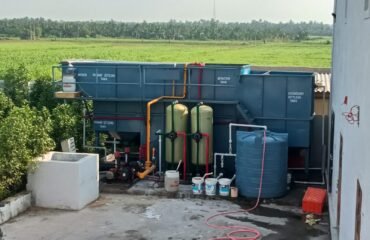
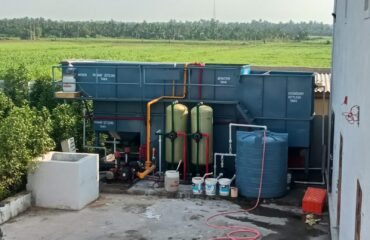
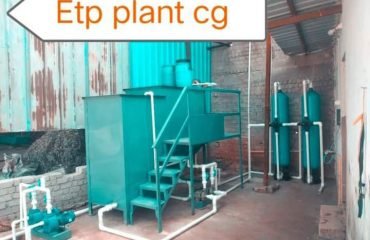
An Effluent Treatment Plant is a facility designed to treat industrial wastewater to remove contaminants, solids, chemicals, and other pollutants. Its goal is to make the water safe for disposal or recycling by processes such as sedimentation, filtration, biological treatment, and chemical treatment.
Types of ETP Plants
- Physical Treatment Plants
- Chemical Treatment Plants
- Biological Treatment Plants
- Advanced Treatment Systems
Why Choose Effluent Treatment Plant Manufacturers in DehrionSone?
DehrionSone hosts some of the leading ETP plant manufacturers in India, known for their cutting-edge technology and industry compliance. Opting for a local manufacturer offers advantages such as easier consultation, quicker service response, and better adaptation to regional environmental laws.
Benefits of Choosing Local ETP Plant Manufacturers
- Customized solutions to suit local industrial needs
- Cost-effective pricing with reduced logistics and installation fees
- Expertise in handling effluents specific to DehrionSone’s industries
- Prompt maintenance and after-sales support
Top 10 ETP Manufacturers in India and Their Presence in DehrionSone
India has a robust market for Effluent Treatment Plants. Some top manufacturers offering best-in-class solutions include:
- Company A – Known for modular ETP designs
- Company B – Specializes in zero liquid discharge systems
- Company C – Offers cost-effective biological treatment plants
- Company D – Provides advanced chemical treatment solutions
- Company E – Expert in multi-stage treatment plants
- Company F – Focuses on energy-efficient ETPs
- Company G – Renowned for sustainable water recycling units
- Company H – Customizes ETPs for textile industries
- Company I – Specializes in industrial sludge treatment
- Company J – Provides turnkey ETP plant manufacturing services
Many of these manufacturers either have their facilities in DehrionSone or collaborate with local distributors and service centers to ensure top-notch ETP plant manufacturing and servicing.
Choosing the Right ETP Plant Manufacturer in DehrionSone
When searching for ETP plant manufacturers near me, consider these key factors:
- Experience and Expertise: Verify the manufacturer’s track record in handling effluent treatment for your specific industry.
- Regulatory Compliance: Ensure the ETP meets Central Pollution Control Board (CPCB) and State Pollution Control Board (SPCB) norms.
- Technology and Innovation: Look for manufacturers incorporating the latest treatment technologies and energy-efficient processes.
- Customization: The ETP should be tailored to the type and volume of effluent your facility generates.
- After-sales Service: Availability of reliable maintenance and technical support.
- Cost Efficiency: Opt for a solution that balances initial investment with long-term operational costs.
Applications of Effluent Treatment Plants in Industries
ETPs are widely used across various sectors including:
- Textile and dyeing industries
- Pharmaceutical and chemical industries
- Food and beverage processing
- Paper and pulp industry
- Automobile manufacturing
- Electroplating and metal finishing
ETP Plant Components and Working Process
Typically, an Effluent Treatment Plant consists of the following components:
- Preliminary Treatment: Screens and grit chambers to remove large solids and grit.
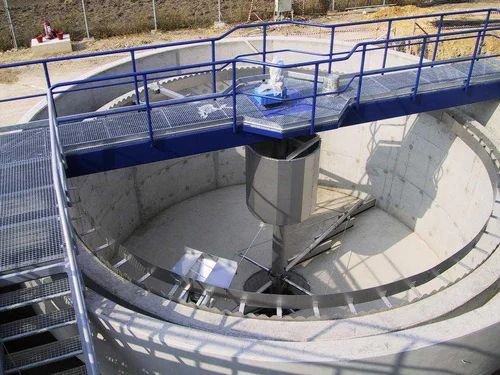
- Primary Treatment: Sedimentation tanks for settling suspended solids.
- Secondary Treatment: Biological reactors or chemical treatment for organic pollutant removal.
- Tertiary Treatment: Filtration, disinfection, and advanced chemical treatments to meet discharge standards.
- Sludge Handling: Processes for treating and disposing of sludge generated during treatment.
Environmental Impact and Benefits
Implementing an Effluent Treatment Plant not only helps industries comply with environmental norms but also promotes sustainable industrial growth by conserving water, reducing pollution, and improving community health.
Future Trends in ETP Plant Manufacturing
- Integration of AI and IoT for real-time monitoring and predictive maintenance.
- Development of zero liquid discharge (ZLD) technology for maximum wastewater recycling.
- Energy-efficient and low chemical consumption systems.
- Customized modular plants for rapid deployment and scalability.
Conclusion
Choosing the right Effluent Treatment Plant manufacturers in DehrionSone is crucial for achieving efficient wastewater management. With leading manufacturers in the region offering innovative and compliant solutions, industries are well-equipped to tackle environmental challenges responsibly and sustainably.
FAQs
Q1: What is the average cost of an Effluent Treatment Plant in India?
A1: The cost varies depending on the capacity, technology, and customization, typically ranging from INR 5 lakhs to several crores.
Q2: How long does it take to install a standard ETP plant?
A2: Installation time usually ranges from 1 to 6 months based on plant size and complexity.
Q3: Are there any government subsidies for installing ETP plants?
A3: Some state governments and agencies offer subsidies or financial assistance for pollution control equipment; it’s advisable to check local schemes.
Q4: Can ETP plants treat all types of industrial effluent?
A4: ETP plants can be customized to treat most industrial effluents, but highly toxic or hazardous wastes may require specialized treatment.
Q5: What maintenance is required for an effluent treatment plant?
A5: Regular monitoring, sludge removal, equipment servicing, and periodic audits are essential for optimal ETP performance.