Introduction to Effluent Treatment Plants (ETP)
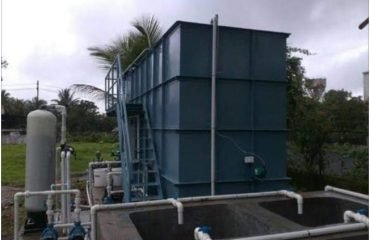
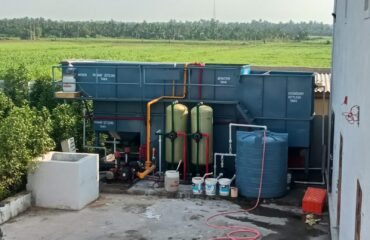
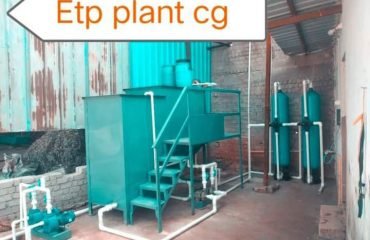
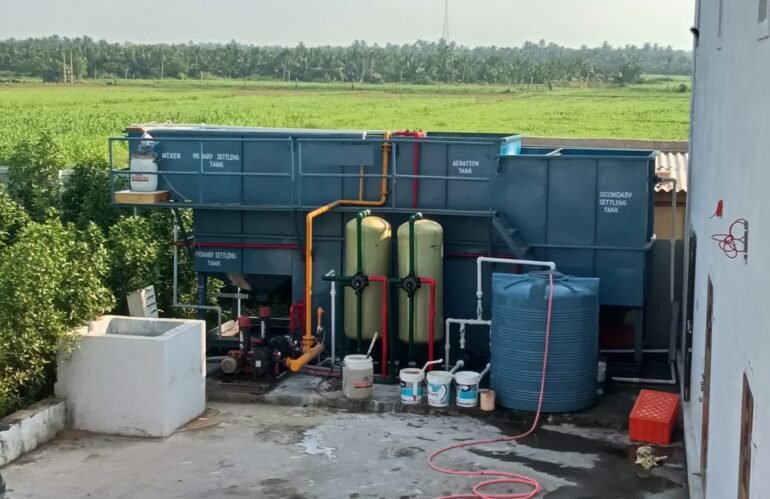
Effluent Treatment Plants (ETPs) are critical for industrial wastewater management. They help industries treat contaminated water before discharging it into the environment, ensuring compliance with environmental regulations and promoting sustainability.
Importance of Effluent Treatment Plant Manufacturers in Bhopal
Bhopal, a rapidly growing industrial city, houses several reputed Effluent Treatment Plant manufacturers. These manufacturers play a pivotal role in providing custom solutions to various industries such as pharmaceuticals, textiles, chemicals, and more. The ETP plant manufacturer domain in Bhopal is known for combining advanced technology with cost-effective designs.
Why Choose ETP Manufacturers in Bhopal?
- Localized Expertise: Understanding regional industrial requirements and water characteristics.
- Cost Efficiency: Economical pricing paired with high-quality services.
- Comprehensive Solutions: From design and installation to maintenance and compliance support.
- Innovative Technologies: Using latest treatment methods ensuring optimal effluent standards.
Key Features of Top ETP Plant Manufacturers in India
India’s ETP plant manufacturers are renowned for their adherence to global quality standards, making them globally competitive.
- Customizable plant designs suitable for diverse industrial effluents.
- Eco-friendly treatment technologies such as bio-treatment, chemical treatment, and advanced filtration methods.
- Robust testing facilities to ensure effluent meets discharge norms before release.
- Efficient after-sales service and technical support.
Top 10 ETP Manufacturers in India
Among the many industry leaders, some consistently rank as top ETP plant manufacturers in India due to their innovation, reliability, and output quality. These companies excel in:
- Delivering tailored ETP systems for various industries.
- Maintaining strict compliance with environmental regulations.
- Deploying energy-efficient and space-saving plant designs.
How to Select the Right ETP Manufacturer Near You
When searching for ETP plant manufacturers near me, consider the following criteria:
- Industry Experience: Manufacturers should specialize in the industry-specific effluent you need to treat.
- Technological Advancements: Check for latest treatment technologies and in-house R&D capabilities.
- Compliance and Certifications: Ensure adherence to regulatory standards such as CPCB guidelines.
- Customer Feedback and Reputation: Review case studies, testimonials, and after-sales records.
- Cost and Timeline: Competitive pricing with timely delivery and installation.
Benefits of Installing an Effluent Treatment Plant
Investing in an Effluent Treatment Plant delivers multiple benefits:
- Environmental Protection: Reduces harmful pollutants released into water bodies.
- Regulatory Compliance: Avoids legal penalties and shutdowns.
- Resource Recovery: Treated water can often be reused in processes, saving costs.
- Corporate Social Responsibility: Demonstrates commitment to sustainable industrial practices.
Effluent Treatment Plant Technology Overview
ETPs use a variety of techniques based on the nature of wastewater:
- Primary Treatment: Physical separation of solids and oils.
- Secondary Treatment: Biological processes to degrade organic matter.
- Tertiary Treatment: Advanced filtration, chemical treatment, and disinfection.
Conclusion
For industries in and around Bhopal, partnering with renowned Effluent Treatment Plant manufacturers in Bhopal is crucial for sustainable and regulatory-compliant wastewater management. By choosing experienced and innovative manufacturers, industries can ensure efficient effluent treatment, environmental safety, and long-term operational benefits.
Frequently Asked Questions (FAQs)
- Q1: What industries require an Effluent Treatment Plant?
A1: Industries such as pharmaceuticals, textiles, chemicals, food processing, and paper mills typically require ETPs to treat wastewater before discharge.
- Q2: How long does it take to install an ETP?
A2: Installation timelines vary depending on plant size and complexity but typically range from 3 to 6 months.
- Q3: Are ETPs mandatory by law in India?
A3: Yes, according to Central Pollution Control Board (CPCB) regulations, many industries are mandated to install ETPs to comply with environmental norms.
- Q4: Can treated water from ETPs be reused?
A4: Yes, treated effluent can often be reused for industrial processes or irrigation depending on the quality of treatment.
- Q5: How do I select the best ETP manufacturer near me?
A5: Evaluate their industry experience, technology portfolio, certifications, customer reviews, and service support.