Introduction to Effluent Treatment Plant (ETP)
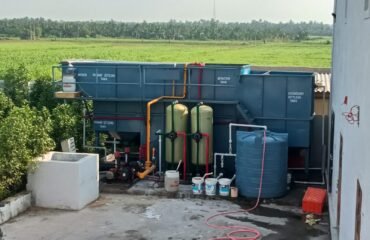
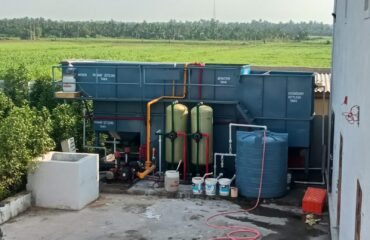
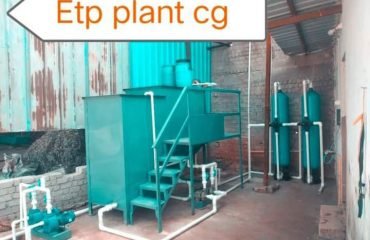
An Effluent Treatment Plant (ETP) is an essential facility in industries to treat wastewater and ensure environmental safety. Effective ETPs help in removing contaminants from industrial effluents before they are discharged into water bodies or reused in processes.
Importance of ETP in Anantapur
Anantapur, an industrial hub in Andhra Pradesh, houses numerous industries requiring robust wastewater treatment solutions. Having reliable Effluent Treatment Plant manufacturers in Anantapur ensures accessibility to advanced and compliant treatment units that meet government and environmental regulations.
What is an Effluent Treatment Plant?
An Effluent Treatment Plant is a physical, chemical, and biological treatment setup designed to remove hazardous pollutants from industrial wastewater. The treated water often meets safe discharge criteria or suitable reuse standards.
Key Components of an ETP Plant
- Preliminary Treatment: Screening and grit removal to eliminate solids and large particles.
- Primary Treatment: Sedimentation and coagulation for suspended solids removal.
- Secondary Treatment: Biological treatment using microbes to degrade organic matter.
- Tertiary Treatment: Advanced filtration, chemical dosing, and disinfection to ensure water purity.
Choosing the Right ETP Plant Manufacturer in Anantapur
When selecting an ETP plant manufacturer in Anantapur, consider these factors:
- Experience and expertise in designing customized ETP solutions.
- Technological advancements and compliance with environmental regulations.
- After-sales support and maintenance services.
- Cost-effective and energy-efficient treatment processes.
- Availability of local support and timely delivery.
Top 10 ETP Manufacturers in India You Should Know About
India boasts several leading ETP manufacturers delivering superior solutions nationwide, including Anantapur. These manufacturers specialize in effective waste management and sustainable water treatment technologies.
Leading Manufacturers and Their Distinctions:
- Expertise in treating diverse industrial effluents.
- Adoption of latest treatment technologies like MBR, RO, UF.
- Strong presence in both domestic and international markets.
- Certified solutions adhering to Central Pollution Control Board (CPCB) norms.
Why Prefer Local ETP Plant Manufacturers Near Me?
Opting for ETP plant manufacturers near me such as in Anantapur provides distinct advantages:
- Quick consultation and project execution.
- Cost savings on logistics and installation.
- Better understanding of local industrial and environmental conditions.
- Access to prompt service and technical support.
Benefits of Installing an Effluent Treatment Plant
- Compliance with environmental regulations preventing fines and shutdowns.
- Reduction in water pollution protecting the ecosystem.
- Possibility of wastewater reuse, conserving freshwater resources.
- Improved company image with sustainable practices.
Common Technologies Used in ETP Plants
Modern Effluent Treatment Plants integrate various techniques based on effluent type and discharge standards. Some typical technologies include:
- Activated sludge process
- Membrane bioreactor (MBR)
- Reverse osmosis (RO)
- Fluidized bed reactors
- Electrocoagulation
Maintaining and Managing Your ETP Plant
Effective maintenance ensures longevity and optimal performance. It involves periodic monitoring, sludge management, equipment servicing, and adherence to operational protocols.
Conclusion
Choosing the right Effluent Treatment Plant manufacturers in Anantapur is crucial for sustainable industrial operations and environmental safety. Whether you seek a local ETP plant manufacturer or a reputable name across India, prioritize quality, technology, and service for your wastewater treatment needs.
FAQs
- What industries require Effluent Treatment Plants in Anantapur?
Industries like pharmaceuticals, textiles, chemicals, food processing, and manufacturing commonly require ETPs for wastewater management. - How do I choose the best ETP plant manufacturer near me?
Assess their experience, compliance with environmental standards, technology use, and after-sales support to select a trusted local manufacturer. - Are ETP plants expensive to install and operate?
Initial costs vary by capacity and technology, but the benefits of regulatory compliance and water reuse make them cost-effective long-term. - Can effluent water treated by ETPs be reused?
Yes, treated water can often be reused in industrial processes, irrigation, or cooling, reducing fresh water consumption. - What maintenance is needed for an ETP plant?
Regular monitoring of parameters, sludge disposal, equipment checks, and prompt repairs are essential for smooth operation.