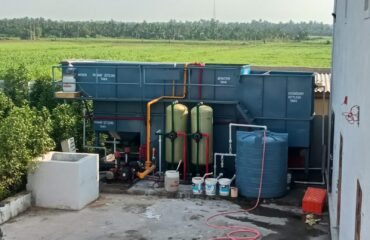
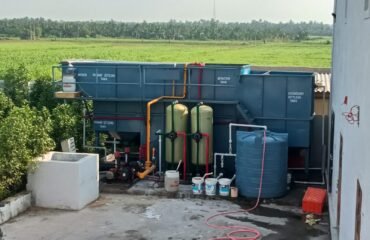
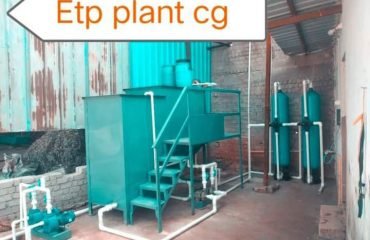
Introduction to Effluent Treatment Plant (ETP)
An Effluent Treatment Plant (ETP) is a critical facility designed to treat industrial wastewater and effluents to make them environmentally safe before discharge or reuse. With growing industrialization, especially in regions like Akola, the role of efficient ETPs becomes paramount to control pollution and comply with environmental guidelines.
Why Choose Effluent Treatment Plant Manufacturers in Akola?
Akola, a prominent industrial hub, is home to several reputed ETP plant manufacturers. Choosing a local manufacturer provides distinct advantages such as customized solutions, easier maintenance, and timely support.
- Cost-Effective Solutions: Reduced transportation and logistics costs.
- Local Expertise: Better understanding of the industrial effluent characteristics specific to the region.
- Quick Support & Maintenance: Faster response time for servicing and troubleshooting.
Leading ETP Plant Manufacturers in India
India boasts a strong network of ETP manufacturers known for quality and innovation. Some of the top 10 ETP manufacturers in India are often approached for their expertise in delivering advanced solutions compliant with environmental regulations.
Types of Effluent Treatment Plants
- Primary Treatment: Removes suspended solids through sedimentation.
- Secondary Treatment: Biological treatment using bacteria to degrade organic matter.
- Tertiary Treatment: Advanced filtration or chemical treatment to remove residual pollutants.
Choosing the Right ETP Plant Manufacturer in Akola
While searching for ETP plant manufacturers near me, consider these key factors:
- Experience and Track Record: Years of operation and successfully completed projects.
- Technology Utilized: Use of modern, eco-friendly technologies that ensure compliance with pollution norms.
- Customization: Ability to design plants suited to specific industrial effluent compositions and volumes.
- After-Sales Service: Commitment to maintenance, repairs, and technical support.
Benefits of Installing an Effluent Treatment Plant
- Environmental Protection: Reduces water pollution and supports sustainability.
- Regulatory Compliance: Helps industries meet government discharge standards.
- Resource Recovery: Enables reuse of treated water, reducing freshwater consumption.
- Cost Savings: Lowers penalties and conserves water, leading to long-term savings.
Effluent Treatment Process Overview
The typical flow of effluent treatment involves multiple stages:
- Pre-Treatment: Screening and removal of large solids.
- Primary Treatment: Settling tanks to remove solids.
- Secondary Treatment: Aerobic or anaerobic bacteria digest organic pollutants.
- Tertiary Treatment: Chemicals or filtration methods to eliminate remaining contaminants.
- Sludge Management: Safe disposal or treatment of the residual sludge.
Industries Benefiting from ETP in Akola
Many industries in Akola rely on ETPs for wastewater management, including:
- Textile and Dyeing Units
- Chemical Manufacturing Plants
- Pharmaceuticals
- Food & Beverage Processing
- Paper and Pulp Industries
- Metal Finishing and Electroplating
Frequently Asked Questions
To facilitate a clearer understanding, here are some FAQs about Effluent Treatment Plants and manufacturers in Akola:
- Q1: What is the typical lifespan of an ETP?
A: Properly maintained ETPs can last 15-20 years or more, depending on usage and operational care. - Q2: How do I find the best ETP plant manufacturer in Akola?
A: Research local manufacturers, verify their credentials, review customer feedback, and ask for customized quotes to find the best fit. - Q3: Are ETPs mandatory for industries in Akola?
A: Yes, many industries are required by law to treat effluent before discharge to comply with pollution control regulations. - Q4: Can treated water from ETP be reused?
A: Yes, treated water is often reused for cooling, gardening, or other industrial processes, contributing to water conservation. - Q5: What factors influence the cost of an ETP?
A: Size, treatment technology, effluent characteristics, and customization requirements affect the overall cost.