Introduction to Effluent Treatment Plants (ETP)
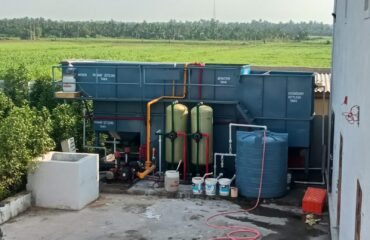
Effluent Treatment Plants (ETPs) play a crucial role in managing industrial wastewater, ensuring that harmful pollutants are treated before the water is discharged into the environment. In Sangareddy, a rapidly developing industrial hub in India, the demand for efficient and reliable ETP solutions is on the rise. This blog post covers key insights about the top Effluent Treatment Plant manufacturers in Sangareddy, their importance, technologies used, and why choosing the right manufacturer can benefit your business.
What Is an Effluent Treatment Plant?
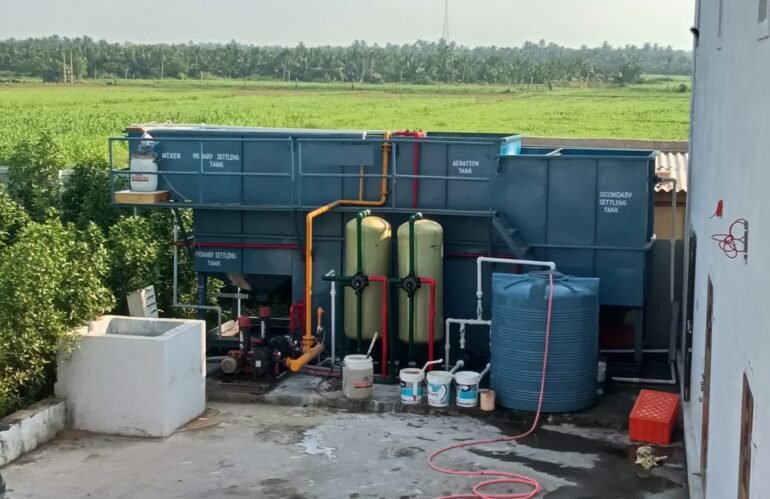
An Effluent Treatment Plant is a system designed to treat industrial wastewater or effluent in order to remove pollutants, chemicals, and harmful substances. The treated water is then either reused or safely discharged into the environment. ETPs are essential for compliance with environmental norms and for sustainable industrial operations.
Key Components of an ETP Plant:
- Preliminary Treatment: Removal of large solids and debris through screening.
- Primary Treatment: Sedimentation tanks to settle suspended solids.
- Secondary Treatment: Biological treatment using aerobic or anaerobic processes.
- Tertiary Treatment: Advanced filtration and disinfection processes.
- Sludge Handling: Proper management of solid waste generated.
Importance of ETP Plants in Sangareddy
Sangareddy, being a growing industrial area with chemical, pharmaceutical, textiles, and manufacturing units, faces significant challenges related to wastewater management. The presence of a skilled and reliable ETP plant manufacturer in India ensures that companies comply with environmental standards such as the Central Pollution Control Board (CPCB) guidelines.
Investing in a high-quality ETP plant not only helps industries reduce their environmental footprint but also improves water recycling capabilities, reducing fresh water consumption.
Top Features to Look for in ETP Plant Manufacturers
- Experience and Expertise: Choose manufacturers with proven expertise and years of experience in designing ETP systems tailored to diverse industries.
- Customization: Ability to design plants suited to specific industrial waste characteristics.
- Technology and Innovation: Use of advanced technologies such as membrane filtration, biological reactors, and automation.
- After-Sales Support: Comprehensive maintenance and technical support services.
- Compliance and Certification: Ensure manufacturers comply with national and international environmental regulations.
Leading Effluent Treatment Plant Manufacturers in Sangareddy
Several reputed ETP Plant manufacturers near me in Sangareddy specialize in state-of-the-art treatment systems. Here is an overview:
- Manufacturer A: Known for customized wastewater solutions with cutting-edge technology.
- Manufacturer B: Provides cost-effective ETP plants with excellent after-sales support.
- Manufacturer C: Focuses on eco-friendly and sustainable treatment methods.
How to Choose the Right ETP Manufacturer?
Selecting the right partner for your effluent treatment needs involves several factors:
- Assess your wastewater characteristics and treatment goals.
- Request detailed project proposals and technology explanations.
- Check client testimonials and project case studies.
- Evaluate cost-effectiveness vs. technology offered.
- Ensure timely delivery and installation capabilities.
Benefits of Using an Effluent Treatment Plant
- Prevents environmental pollution and protects natural water bodies.
- Helps industrial units comply with stringent pollution control norms.
- Enables reuse and recycling of treated water, reducing operational costs.
- Improves corporate social responsibility and sustainability image.
Frequently Asked Questions (FAQs)
- Q1: What industries require an Effluent Treatment Plant?
A1: Industries such as pharmaceuticals, textiles, chemicals, food processing, and manufacturing typically require ETPs to treat wastewater before discharge. - Q2: How often should an ETP be maintained?
A2: Regular maintenance is essential; typically, monthly inspections and servicing as per manufacturer guidelines to ensure optimal performance. - Q3: Can treated water from an ETP be reused?
A3: Yes, treated water can be reused in various non-potable applications like cooling, irrigation, or washing, depending on the treatment level. - Q4: What is the difference between ETP and STP?
A4: ETP (Effluent Treatment Plant) treats industrial wastewater, whereas STP (Sewage Treatment Plant) treats domestic sewage. - Q5: Are there government subsidies for installing ETPs?
A5: Some state governments and environmental agencies offer subsidies or incentives for installing pollution control equipment including ETPs. It’s best to check local schemes.
Conclusion
Choosing the right Effluent Treatment Plant manufacturers in Sangareddy is vital for sustainable industrial growth and environmental protection. With the rapid expansion of industries in the region, investing in advanced ETP technology helps ensure compliance, cost savings, and a cleaner environment.
Make an informed choice by evaluating manufacturers based on experience, technology, and support services to find the ideal partner for your effluent treatment needs.