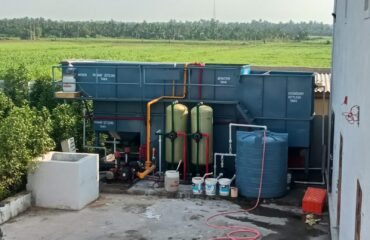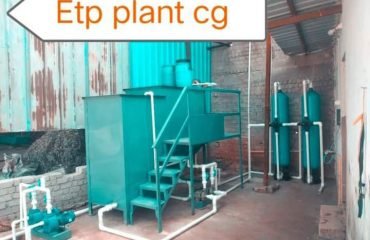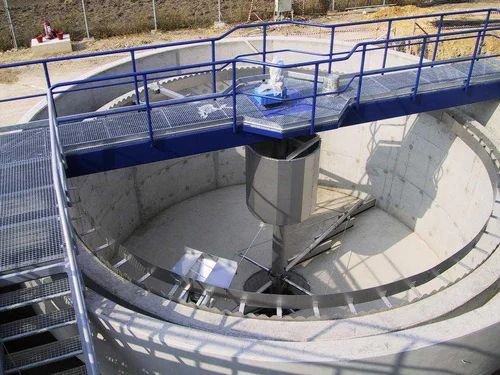
Introduction to Effluent Treatment Plants (ETP)
An Effluent Treatment Plant (ETP) is essential for industries to manage wastewater and ensure sustainable environmental practices. In cities like Gwalior, where industrial growth is significant, ETPs play a crucial role in treating industrial effluents before releasing them into natural water bodies.
Why Are Effluent Treatment Plants Important?
Effluent Treatment Plants help in reducing pollution by treating hazardous industrial wastewater. They ensure compliance with environmental laws and protect aquatic life and human health by minimizing contaminants.
Key Objectives of an ETP
- Remove harmful pollutants and toxins from wastewater
- Reuse treated water in industrial processes to conserve freshwater
- Ensure treated water meets regulatory standards
- Reduce environmental footprint of industrial discharges
Effluent Treatment Plant Manufacturers in Gwalior
Gwalior is home to some of the top ETP manufacturers in India, offering state-of-the-art solutions tailored to various industrial needs. These manufacturers specialize in designing, installing, and maintaining efficient ETP plants that ensure compliance with environmental norms.
Popular Services by ETP Plant Manufacturers in Gwalior
- Custom ETP design and engineering
- Installation and commissioning of ETP plants
- Regular maintenance and operational support
- Upgradation and retrofit of existing treatment plants
Choosing the Right ETP Plant Manufacturer in India
When searching for an ETP plant manufacturer, consider factors such as experience, technology used, after-sales support, and customization options. Top manufacturers prioritize eco-friendly technologies and durability.
Factors to Consider
- Compliance with environmental regulations
- Use of advanced and efficient treatment technology
- Customization based on specific industry wastewater characteristics
- Competitive pricing and warranty options
Top 10 ETP Manufacturers in India
The industry boasts several reputable names known for their quality and reliable service. These manufacturers cater to a diverse range of sectors including pharmaceuticals, textiles, chemicals, and more.
Benefits of Installing an Effluent Treatment Plant
- Protection of water bodies from contamination
- Reduction in operational costs by recycling treated water
- Improved compliance with government environmental norms
- Enhanced corporate image through sustainable practices
Effluent Treatment Plant Technologies Used
Modern ETP plants incorporate a blend of physical, chemical, and biological treatment methods, including:
- Primary treatment: Sedimentation and screening
- Secondary treatment: Aerobic and anaerobic biological processes
- Tertiary treatment: Filtration, disinfection, and advanced oxidation
ETP Plant Manufacturers Near Me: Local Availability in Gwalior
Finding reliable ETP plant manufacturers near me is now easier with numerous local providers in Gwalior offering quick response times and on-site services. This proximity ensures timely maintenance and reduces downtime.
Cost Considerations for ETP Installation
The cost of an ETP depends on factors like plant capacity, complexity of wastewater, technology used, and customization. Manufacturers in Gwalior provide tailored solutions to fit various budget ranges while maintaining efficiency.
Conclusion
For industries in Gwalior, partnering with trusted Effluent Treatment Plant manufacturers ensures compliance, environmental safety, and operational efficiency. With advanced technology and dedicated services, these manufacturers help businesses embrace sustainable wastewater management.
FAQs
- Q1: What industries require Effluent Treatment Plants?
A1: Industries such as pharmaceuticals, textiles, chemicals, food processing, and manufacturing typically require ETPs to treat their wastewater.
- Q2: How often should an ETP be maintained?
A2: Regular maintenance is recommended at least quarterly, with some components requiring monthly checks to ensure optimal performance.
- Q3: Can treated water from ETP be reused?
A3: Yes, treated water can often be recycled for industrial processes, irrigation, or other non-potable uses, reducing freshwater demand.
- Q4: Are there government regulations for ETP installation?
A4: Yes, the Central Pollution Control Board (CPCB) and state authorities regulate ETP standards and compliance in India.
- Q5: What is the typical lifespan of an ETP?
A5: With proper maintenance, an ETP can last 10-15 years or more, depending on the operational conditions.