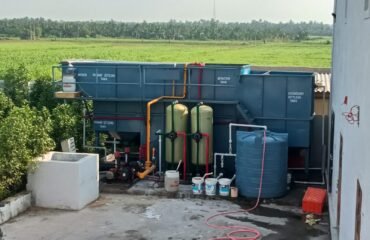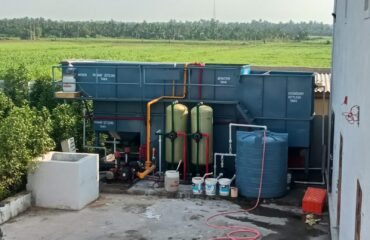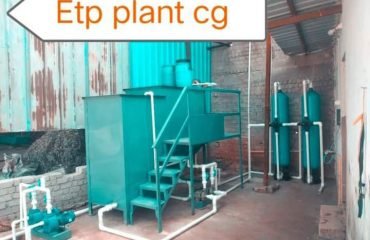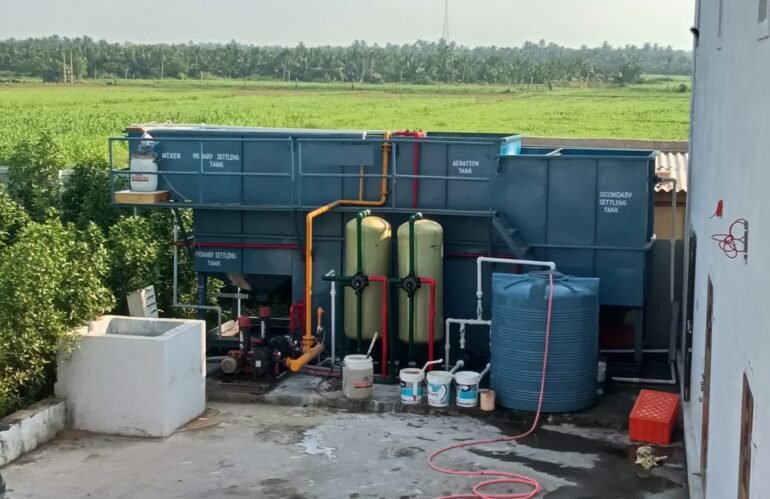
Introduction to Effluent Treatment Plants (ETP)
In today’s industrial landscape, efficient wastewater management is crucial for environmental compliance and sustainable operations. Effluent Treatment Plants (ETP) play a vital role in treating industrial wastewater before releasing it into the environment. Mumbai, being an industrial hub, boasts numerous Effluent Treatment Plant manufacturers in Mumbai providing advanced solutions to meet diverse industry needs.
What is an Effluent Treatment Plant?
An Effluent Treatment Plant is a facility designed to treat industrial wastewater generated by various processes. The primary purpose is to remove harmful contaminants and pollutants, ensuring the discharged water meets regulatory standards. ETPs help protect water bodies by minimizing environmental pollution and conserving water through recycling and reuse.
Key Components of an ETP Plant
- Pre-treatment Unit: Screens and grit chambers to remove large solids and debris
- Equalization Tank: Balances wastewater flow and quality
- Primary Treatment: Sedimentation tanks and clarifiers to settle suspended solids
- Secondary Treatment: Biological treatment using activated sludge or bio-towers to degrade organic matter
- Tertiary Treatment: Filtration, disinfection (chlorination or UV) to remove pathogens and remaining impurities
- Sludge Treatment: Dewatering and disposal of solid waste generated
Why Choose ETP Plant Manufacturers in Mumbai?
Mumbai-based manufacturers offer:
- Proximity and quick support: Local manufacturers facilitate easy access for maintenance, emergency response, and customization.
- Expertise in industrial wastewater: Many Mumbai manufacturers have vast experience in diverse sectors like textiles, chemicals, pharmaceuticals, and more.
- Customized solutions: Tailored ETP systems meet specific effluent characteristics and discharge regulations applicable in Maharashtra and beyond.
- Latest technology: Incorporation of advanced biological, chemical, and physical treatment methods improving efficiency and reducing operational costs.
- Compliance and certifications: Adherence to Central Pollution Control Board (CPCB) norms and ISO certifications to ensure quality and environment-friendly designs.
Top Features to Look for in an ETP Plant Manufacturer
- Proven track record with national and international clients
- Availability of comprehensive service packages including installation, commissioning, and after-sales support
- Capability to handle both small and large-scale wastewater treatment plants
- Use of modular and scalable designs to accommodate future expansions
- Competitive pricing without compromising quality and efficiency
- Strong technical team with R&D for continuous innovation
Overview of Leading ETP Plant Manufacturers in Mumbai and India
Several reputed companies are recognized as top 10 ETP manufacturers in India, many of whom have manufacturing units or service centers in Mumbai. These manufacturers are well-versed in crafting solutions for various sectors such as:
- Textile and Dyeing Units
- Pharmaceutical and Chemical Industries
- Food Processing and Beverage Plants
- Metal Finishing and Electroplating Units
- Automobile and Engineering Sectors
They leverage latest treatment technologies such as membrane bioreactors, advanced oxidation processes, and zero liquid discharge (ZLD) systems to offer eco-friendly and efficient wastewater management.
Benefits of Installing an ETP Plant
- Regulatory Compliance: Ensures adherence to pollution control laws avoiding fines and shutdowns.
- Environmental Protection: Reduces harmful impacts on water bodies preserving ecosystem health.
- Water Reuse: Treated water can be recycled for industrial use, reducing freshwater consumption.
- Cost Savings: Reduction in water procurement costs and sludge disposal expenses.
- Corporate Responsibility: Demonstrates a company’s commitment to sustainable and responsible operations.
Choosing the Right ETP Plant Manufacturer Near You
If you search for “ETP plant manufacturers near me” in Mumbai, focus on key evaluation criteria:
- Experience with your specific industry effluent type
- Customization ability and flexibility
- Post-installation service and technical support
- Use of environmentally safe and energy-efficient technologies
- Client testimonials and project case studies
Future Trends in Effluent Treatment Plants
The wastewater treatment industry is evolving rapidly with innovations such as IoT-enabled ETPs for real-time monitoring, AI-driven process optimization, and green technologies that minimize chemical footprints. Mumbai manufacturers are increasingly adopting these trends to stay competitive and sustainable.
Conclusion
Selecting the right Effluent Treatment Plant manufacturer in Mumbai is critical for ensuring compliant, cost-effective, and environmentally responsible wastewater management. With numerous expert manufacturers available, industries in Mumbai and across India can find tailored solutions to meet their treatment needs and contribute to a cleaner environment.
Frequently Asked Questions (FAQs)
- What industries require an Effluent Treatment Plant?
- Industries such as textiles, pharmaceuticals, chemicals, food processing, metal finishing, and automobile manufacturing require ETPs to treat their wastewater before discharge.
- How do I select the best ETP plant manufacturer in Mumbai?
- Look for manufacturers with proven expertise, certified technology, strong after-sales support, and customization capabilities that align with your industry requirements.
- What is the typical cost of installing an ETP plant?
- The cost varies based on the capacity, technology used, and treatment complexity, but manufacturers in Mumbai offer competitive pricing tailored to your plant size.
- Can ETP treated water be reused?
- Yes, treated effluent water can often be recycled for industrial processes, helping reduce freshwater consumption.
- How often is maintenance required for an ETP?
- Regular maintenance is essential and generally includes routine inspections, cleaning, and process checks scheduled quarterly or as specified by the manufacturer.