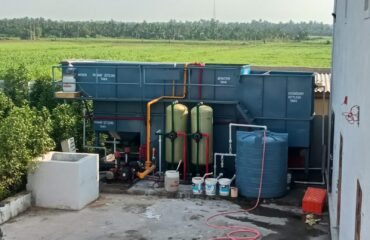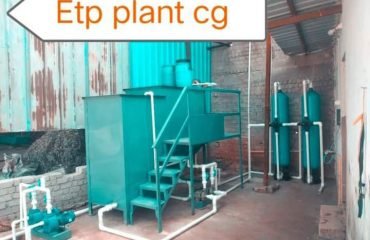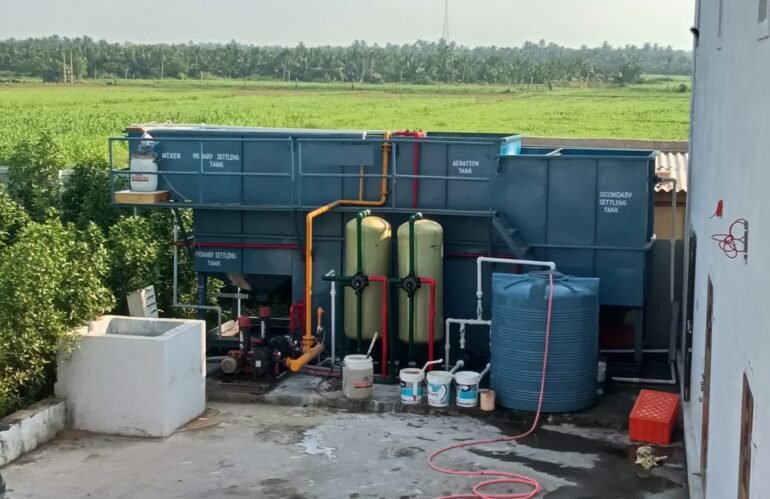
Introduction to Sewage Water Treatment Plants in Gonda
Sewage water treatment plants play a critical role in managing wastewater efficiently and sustainably. In Gonda, the demand for high-quality STP (Sewage Treatment Plant) solutions is growing rapidly due to increased urbanization and industrial activities. This blog will guide you through everything you need to know about STP plants and highlight the best Water Treatment Plant manufacturers in Gonda.
What is a Sewage Water Treatment Plant?
A Sewage Water Treatment Plant, or STP, is designed to treat wastewater generated from domestic, commercial, and industrial sources. It removes contaminants, making the water safe for reuse or discharge back into the environment. STPs help in:
- Reducing pollution
- Conserving water resources
- Protecting ecosystems and public health
Key Components of an STP Plant
- Preliminary Treatment: Removal of large solids and debris.
- Primary Treatment: Settling of suspended solids.
- Secondary Treatment: Biological treatment using microbes.
- Tertiary Treatment: Advanced cleaning techniques like filtration and disinfection.
- Sludge Management: Treatment of solid waste byproducts.
Why Choose the Right STP Plant Manufacturer in Gonda?
Selecting the right stp plant manufacturer is essential for efficiency, durability, and cost-effectiveness. Here’s why Gonda-based manufacturers stand out:
- Local Expertise: They understand the local water qualities and regulatory requirements.
- Customized Solutions: Tailored designs for residential, commercial, and industrial needs.
- After-Sales Service: Proximity ensures quick maintenance and support.
Top Qualities to Look For in STP Plant Manufacturers in India
When choosing a Stp plant manufacturer in India, consider these crucial factors:
- Experience and Reputation: Look for manufacturers with proven track records and credible references.
- Technology & Innovation: Advanced treatment methods ensure higher efficiency.
- Compliance: Adherence to environmental standards and certifications.
- Customer Support: Comprehensive guidance from design to installation and beyond.
Benefits of Investing in a Sewage Treatment Plant
Installing an STP plant offers numerous advantages, including:
- Environmental conservation through reduced water pollution.
- Water reuse potential for gardening, flushing, and irrigation.
- Cost savings by reducing dependence on freshwater.
- Enhanced reputation for eco-friendly practices.
Leading STP Plant Manufacturers Near Me in Gonda
Searching for “STP Plant manufacturers near me” in Gonda will reveal several reputable providers. Some of the top 10 STP manufacturers in India also have operations or partnerships here, ensuring quality and reliability. When selecting, consider:
- Customized system design suited to your site.
- After-sale service and routine maintenance options.
- Competitive pricing without compromising quality.
How to Maintain Your Sewage Treatment Plant
Proper maintenance prolongs the life and efficiency of your STP:
- Regular inspection and cleaning of filters and tanks.
- Monitoring of sludge levels and timely removal.
- Periodic testing of treated water quality.
- Immediate repair of mechanical or electrical components.
Conclusion
Choosing the right Water Treatment Plant manufacturers in Gonda is pivotal to achieving effective sewage treatment solutions. By investing in a quality STP plant from a reliable manufacturer, you contribute to healthier communities and a sustainable environment.
FAQs
- What is the average lifespan of an STP plant?
The typical lifespan ranges from 15 to 25 years with proper maintenance. - Can STP plants treat industrial wastewater?
Yes, but treatment specifications vary; customized solutions are often required. - Are treated effluents from STP safe for irrigation?
When treated properly, the water is safe for garden and agricultural use. - How often should sludge be removed from an STP?
Sludge removal frequency depends on usage but usually ranges from 6 months to 1 year. - Is government approval needed for installing an STP?
In many cases, yes. You should check local regulations and get necessary permits.