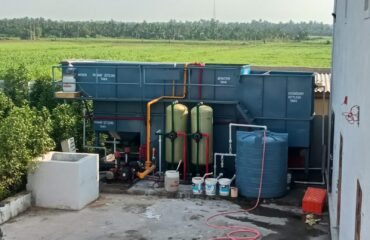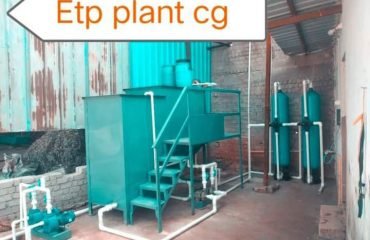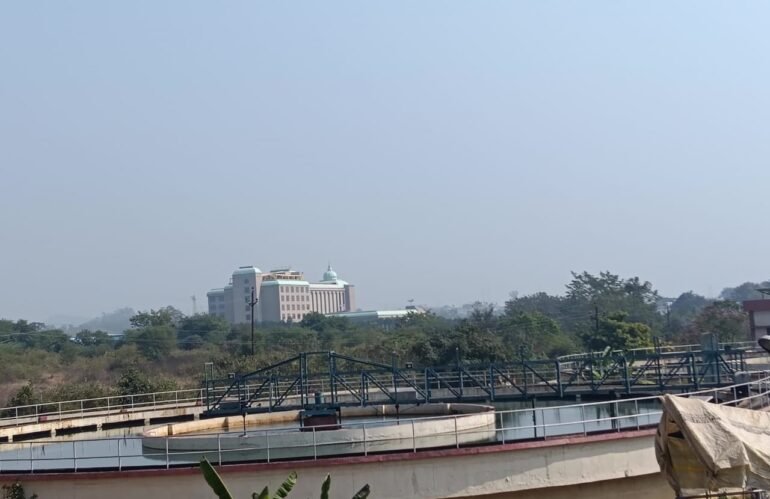
Introduction to Effluent Treatment Plant (ETP)
Effluent Treatment Plants (ETPs) play a crucial role in treating industrial wastewater and ensuring environmental safety. In Motihari, with the rise of industrial activities, the importance of efficient ETPs has grown significantly. This blog dives deep into understanding ETPs, their significance, and highlights the leading Effluent Treatment Plant manufacturers in Motihari.
What is an Effluent Treatment Plant?
An Effluent Treatment Plant is a facility designed to treat industrial wastewater or effluent to remove harmful contaminants and produce treated water safe for discharge or reuse. These plants employ physical, chemical, and biological treatment processes to ensure environmental compliance.
How Does an ETP Work?
- Preliminary Treatment: Removal of large solids and grit using screens and clarifiers.
- Primary Treatment: Settling of suspended solids in sedimentation tanks.
- Secondary Treatment: Biological treatment where microorganisms degrade organic contaminants.
- Tertiary Treatment: Advanced filtration, chemical treatment, or disinfection to polish treated water.
- Sludge Treatment: Managing and disposing of the residual sludge safely.
Importance of ETP in Motihari
Motihari is witnessing rapid industrial growth, leading to increased wastewater generation. Effective ETPs help industries comply with pollution control norms, protect natural water bodies, and promote sustainable practices. Choosing the right ETP plant manufacturer is paramount for tailored, compliant, and cost-effective solutions.
Top ETP Plant Manufacturers in Motihari
Motihari houses several reputed manufacturers specializing in custom and standard ETP solutions. Here’s what to look for when selecting an ETP plant manufacturer in India and specifically in Motihari:
- Experience & Expertise: Years of industry presence and technical knowledge.
- Technology: Use of latest and eco-friendly treatment technologies.
- Customization: Capability to design plants specific to industry types and effluent characteristics.
- Compliance: Ensures adherence to CPCB and state pollution norms.
- After-Sales Support: Maintenance, monitoring, and operational support services.
Several companies also rank among the Top 10 ETP manufacturers in India with footprints in Motihari, offering reliable and innovative treatment plants.
Choosing the Right ETP Plant Manufacturer Near You
When searching for ETP plant manufacturers near me in Motihari or nearby regions, consider these tips:
- Verify credentials and certifications.
- Request case studies and previous project references.
- Evaluate the technology used for scalability and future upgrades.
- Check customer reviews and feedback.
- Assess the cost-effectiveness and return on investment.
Benefits of Using a Quality Effluent Treatment Plant
- Environmental Protection: Safeguards rivers, lakes, and groundwater from industrial pollution.
- Regulatory Compliance: Avoids legal penalties and shutdowns by meeting pollution control laws.
- Water Reuse: Treated water can be recycled within industries, reducing freshwater demand.
- Improved Public Health: Reduces contamination in the community environment.
- Cost Efficiency: Minimizes wastewater treatment costs in the long run.
Maintenance & Monitoring of ETPs
Operational efficiency of ETPs depends heavily on regular maintenance and monitoring. Partnering with reputable ETP Plant manufacturers often includes comprehensive after-sales service to optimize treatment process performance.
Key Maintenance Practices:
- Routine inspection of mechanical parts and pumps.
- Regular cleaning of filters and sedimentation tanks.
- Monitoring of biological process parameters.
- Periodic sludge removal and disposal.
- Timely upgrading parts as per technological advancements.
Conclusion
Effluent Treatment Plants are indispensable for sustainable industrial growth, especially in a developing industrial hub like Motihari. Choosing from renowned Effluent Treatment Plant manufacturers in Motihari ensures businesses remain compliant, eco-friendly, and future-ready. With advancements in environmental technology, investing in modern ETPs is not just a regulatory necessity but a step towards corporate social responsibility and water conservation.
FAQs
- Q1: What industries in Motihari benefit most from ETPs?
Industries such as textiles, pharmaceuticals, chemicals, food processing, and paper manufacturing largely benefit from ETPs due to their wastewater profiles.
- Q2: Are there government regulations for effluent treatment plants in Motihari?
Yes, the Central Pollution Control Board (CPCB) and state authorities enforce strict guidelines for effluent treatment and disposal.
- Q3: Can treated water from ETPs be reused?
Yes, treated water can be reused in industrial processes, irrigation, or cooling systems based on its quality.
- Q4: How often should an ETP be maintained?
Routine maintenance is recommended monthly, while comprehensive checks should be scheduled quarterly or bi-annually.
- Q5: What factors influence the cost of an ETP?
Factors include plant capacity, treatment technology, effluent characteristics, and compliance requirements.