Introduction to Effluent Treatment Plants (ETP)
An Effluent Treatment Plant (ETP) plays a critical role in managing and treating wastewater generated from industries before releasing it into the environment. These plants help in removing pollutants and ensuring that the discharge meets environmental standards, thus preventing water pollution and protecting ecological balance. If you are in Vinukonda and looking for reliable and efficient Effluent Treatment Plant manufacturers, this comprehensive guide covers everything you need to know.
Why Choose Effluent Treatment Plant Manufacturers in Vinukonda?
Vinukonda is emerging as an important hub for industrial manufacturing in India. Choosing local Effluent Treatment Plant manufacturers in Vinukonda offers several advantages:
- Cost-effectiveness: Reduced logistics and transportation costs help you get your ETP at competitive pricing.
- Prompt support: Local manufacturers provide quicker installation, maintenance, and troubleshooting services.
- Customization: Manufacturers in Vinukonda often tailor ETP solutions specific to regional industrial wastewater characteristics.
Understanding Effluent Treatment Plants
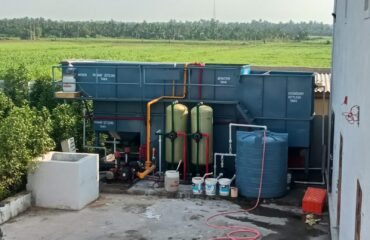
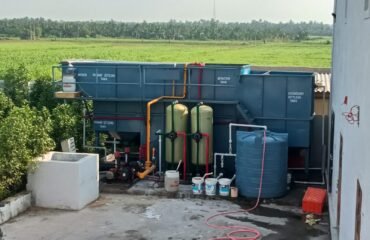
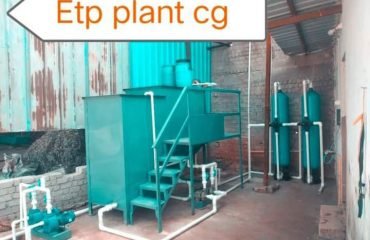
An effluent treatment plant comprises several stages designed to remove physical, chemical, and biological contaminants from industrial wastewater. Key components include:
- Preliminary Treatment: Removes large solids and grit.
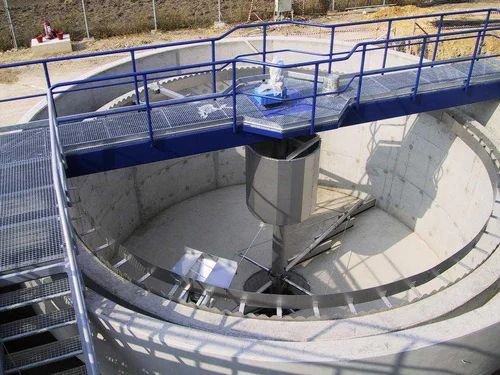
- Primary Treatment: Settles suspended solids through sedimentation tanks.
- Secondary Treatment: Biological treatment using aerobic or anaerobic processes to degrade organic matter.
- Tertiary Treatment: Advanced treatment to remove remaining pollutants and pathogens.
- Sludge Treatment: Handles the leftover solid waste in an environmentally friendly manner.
Top Qualities to Look for in an ETP Plant Manufacturer
When choosing an ETP plant manufacturer, consider the following factors:
- Experience and Expertise: Manufacturers with years of experience in designing and installing ETPs are more reliable.
- Certification and Compliance: Ensure the manufacturer complies with environmental regulations and quality standards.
- Technology and Innovation: Modern ETPs incorporate advanced treatment technologies for higher efficiency.
- Customization Capabilities: Ability to design plants tailored to specific wastewater types and volumes.
- After-Sales Support: Availability of timely servicing, spare parts, and support is crucial for plant operation.
Leading ETP Plant Manufacturers in Vinukonda and India
Vinukonda hosts several renowned manufacturers known for high-quality and sustainable effluent treatment solutions. Many of these manufacturers also have a strong presence across India. Some distinguishing points:
- Top 10 ETP manufacturers in India often include firms based in or near Vinukonda.
- These manufacturers specialize in a variety of industries such as textile, pharmaceutical, chemical, and food processing.
- They offer turnkey solutions from design, installation to operation and maintenance.
Benefits of Installing an ETP Plant
- Environmental Protection: Prevents contamination of natural water bodies by treating harmful effluents.
- Regulatory Compliance: Helps industries meet legal discharge standards, avoiding fines and sanctions.
- Resource Recovery: Advanced ETPs enable recycling of treated water and recovery of valuable resources.
- Improved Corporate Image: Demonstrating commitment to sustainability enhances reputation among customers and stakeholders.
Common Applications of Effluent Treatment Plants
- Textile and dyeing industries.
- Chemical and pharmaceutical manufacturing.
- Food processing units.
- Pulp and paper mills.
- Metal finishing and electroplating.
Maintenance and Operational Tips for Your ETP
Proper operation and routine maintenance enhance the lifespan and efficiency of your effluent treatment plant. Consider the following tips:
- Regular monitoring of influent and effluent quality.
- Scheduled cleaning and inspection of tanks and equipment.
- Timely replacement of consumables like filters and chemicals.
- Training staff for proper handling and emergency management.
- Periodic audits and performance evaluations to detect issues early.
How to Find “ETP Plant Manufacturers Near Me” in Vinukonda
Finding nearby ETP manufacturers is convenient with online business directories and specialized platforms. To identify the best locally:
- Search for “ETP plant manufacturer in Vinukonda” or “ETP Plant manufacturers near me” using Google or Bing.
- Check manufacturer websites for project portfolios and client testimonials.
- Request quotes and compare technical offerings to ensure suitability.
- Evaluate after-sales service availability and response time.
- Seek references from industry associations or existing customers.
Conclusion
Selecting the right Effluent Treatment Plant manufacturer in Vinukonda is essential to ensure effective wastewater management and environmental compliance. By partnering with experienced and certified manufacturers, industries can benefit from customized solutions, cutting-edge technology, and responsive support. Whether you are searching for top 10 ETP manufacturers in India or local experts, Vinukonda stands out as a dependable source for efficient and sustainable effluent treatment solutions.
FAQs about Effluent Treatment Plant Manufacturers in Vinukonda
- What industries require an Effluent Treatment Plant?
Industries like textiles, pharmaceuticals, chemicals, food processing, and metal finishing typically require ETPs to treat wastewater. - How much does an Effluent Treatment Plant cost in Vinukonda?
Costs vary widely depending on plant capacity, technology, and customization. It is best to get specific quotes from manufacturers. - Are there certified ETP Plant manufacturers in Vinukonda?
Yes, many local manufacturers comply with ISO and environmental standards ensuring quality and reliability. - What is the maintenance cycle for ETPs?
Proper maintenance includes daily checks and periodic comprehensive servicing, typically monthly or quarterly, depending on usage. - Can treated water from ETP be reused?
Yes, treated effluent can often be recycled for industrial processes, irrigation, or cooling, depending on the treatment level.