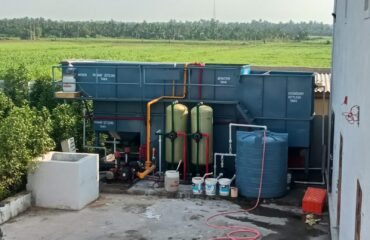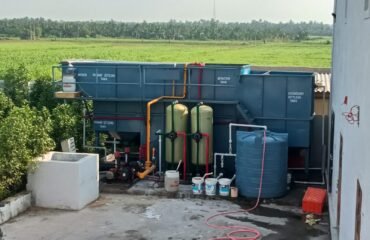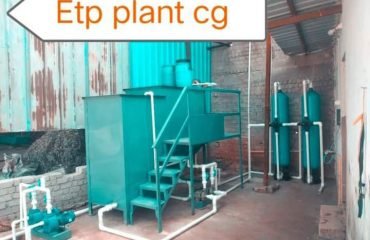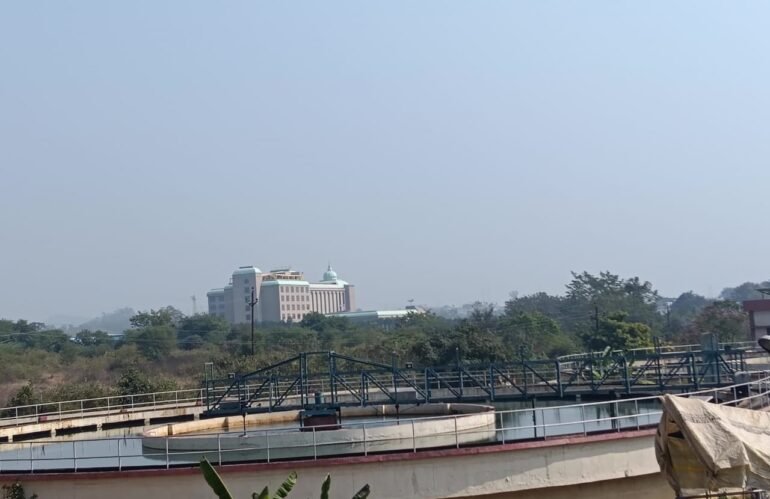
Introduction to Sewage Water Treatment Plant in Ranip
Ranip, a rapidly developing region, demands efficient water management solutions to sustain its growth. One significant aspect of this is the treatment of sewage water to maintain environmental health and comply with regulations. This is where Water Treatment Plant manufacturers in Ranip play a crucial role by providing state-of-the-art sewage treatment plants (STP).
Understanding Sewage Treatment Plants (STP)
Sewage Treatment Plants are designed to purify wastewater, making it reusable or safe to return to the environment. This process involves several stages including physical, chemical, and biological treatment methods to remove contaminants effectively.
Key Components of an STP
- Preliminary Treatment: Removal of large solids and grit.
- Primary Treatment: Sedimentation tanks to separate solids.
- Secondary Treatment: Biological processes to degrade organic matter.
- Tertiary Treatment: Advanced filtration and disinfection.
- Sludge Treatment: Handling and processing of by-products.
Why Choose Water Treatment Plant Manufacturers in Ranip?
Choosing local STP plant manufacturers offers multiple advantages:
- Quick and efficient customer support and maintenance
- Custom solutions tailored to regional sewage characteristics
- Compliance with local environmental regulations
- Cost-effective options benefiting from local resources
Top 10 STP Manufacturers in India
India has a robust market for STP manufacturers, with several companies offering innovative and eco-friendly sewage treatment solutions. Some of the top players include:
- Company A – Known for advanced biological treatment systems
- Company B – Specialist in turnkey water treatment projects
- Company C – Offers modular and scalable STP solutions
- Company D – Focuses on energy-efficient plants
- Company E – Experienced in industrial wastewater treatment
STP Plant Manufacturer in India – What to Look For?
When selecting an STP plant manufacturer in India, consider these critical factors:
- Experience and Expertise: Proven track record with similar projects.
- Technology: Use of the latest and most efficient wastewater treatment technologies.
- Customization: Ability to design plants that meet specific client needs.
- After-Sales Service: Reliable maintenance and support system.
- Certifications: Compliance with environmental standards and ISO certifications.
Benefits of Installing a Sewage Treatment Plant
- Reduces environmental pollution and protects water bodies
- Conserves water by enabling reuse for non-potable applications
- Compliance with legal discharge norms avoids penalties
- Promotes sustainable development and corporate social responsibility
Local Search: STP Plant Manufacturers Near Me
Searching for STP plant manufacturers near me can connect you with manufacturers who understand local water quality and sewage challenges. This proximity facilitates quicker installations, inspections, and maintenance services.
How to Maintain Your Sewage Treatment Plant?
- Regular monitoring of effluent quality to ensure compliance
- Routine maintenance of mechanical parts like pumps and aerators
- Periodic cleaning of tanks and removal of sludge
- Training operators to manage plant operations effectively
- Scheduling professional audits and upgrades as needed
Conclusion
Efficient sewage treatment is vital for Ranip’s environmental and public health. Collaborating with reputed Water Treatment Plant manufacturers in Ranip ensures access to innovative, reliable, and compliant STP solutions tailored to your needs. Consider the key factors discussed to make an informed choice and contribute to a greener, sustainable future.
Frequently Asked Questions (FAQs)
- What is the typical size of a sewage treatment plant for residential use?
It varies based on the number of residents and water usage but typically ranges from 1 KLD (kilo liters per day) to several hundred KLD for larger communities.
- How long does it take for a sewage treatment plant to be installed?
Installation time depends on the plant size and complexity. Small plants may take a few weeks, while large industrial plants can take months.
- Are treated waters safe for reuse?
Yes, treated water can be reused for gardening, flushing, and industrial processes but typically not for drinking without further treatment.
- How often should sludge be removed from an STP?
Sludge removal frequency varies but generally ranges from every few months to yearly, depending on usage and design.
- Can I get custom-designed sewage treatment plants?
Yes, many STP plant manufacturers provide customized solutions to meet specific site and client requirements.